Overview
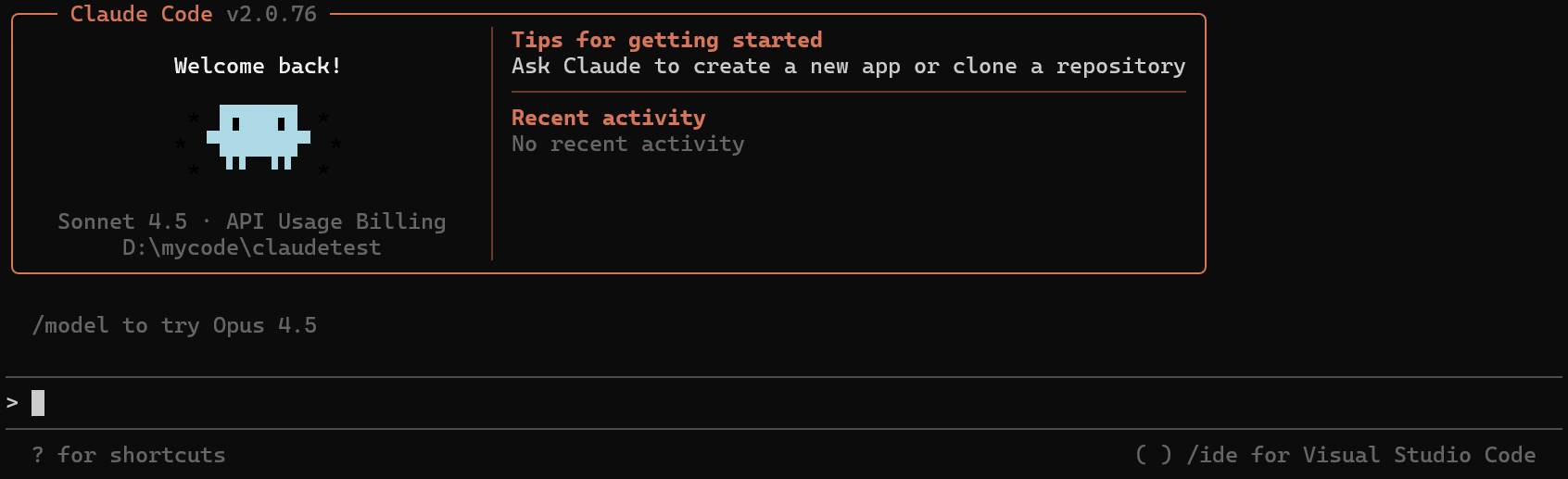
Prerequisites
Before configuring, make sure you have:1. Install Node.js and npm
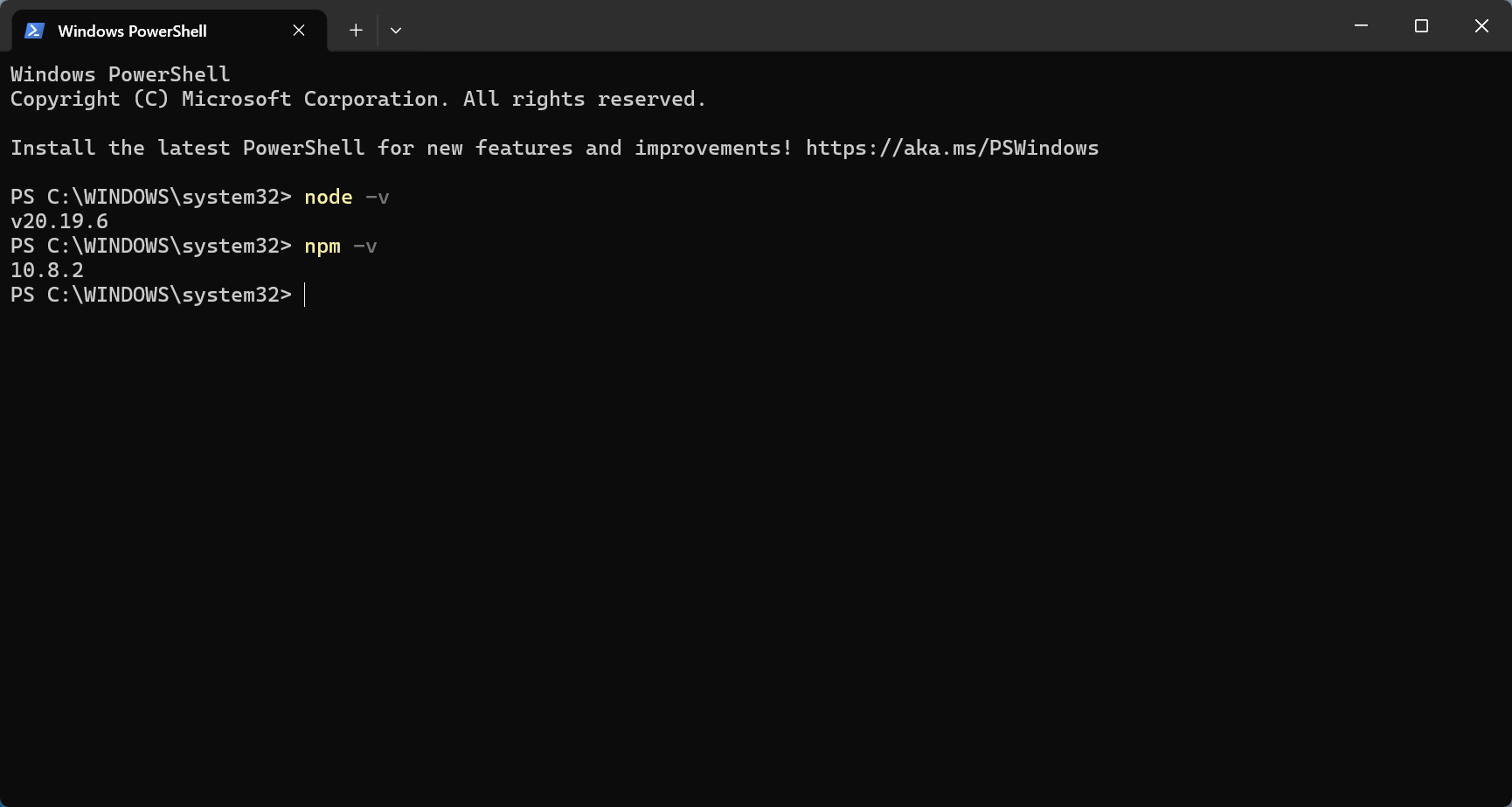
Why needed? Node.js is the runtime environment for CLI tools (like an OS for apps). If already installed: Runnode -v and npm -v to check version. If v20+, skip this step.
First-time installation:
- Download and install from Node.js official website (recommend LTS version)
- If you’re unfamiliar with the installation process, refer to Runoob - Node.js Installation Guide
- Recommended: Node.js v20 or higher
- Verify installation:
2. Get EvoLink API Key
- Log in to EvoLink Dashboard
- Find API Keys in the dashboard, click “Create New Key” button, then copy the generated Key
- API Key usually starts with
sk-
How to Open Terminal
- Windows
- macOS
- Linux
- Method 1: Press
Win + R, typecmdorpowershell, then press Enter - Method 2: Search for “Command Prompt” or “PowerShell” in the Start menu
- Method 3: Hold Shift and right-click in a folder, select “Open PowerShell window here”
Step 1: Install Claude CLI
1. Global Installation
added XX packages (takes 1-3 minutes).
If error occurs: permission denied means Windows needs “Run as administrator” PowerShell, macOS/Linux add sudo before command.
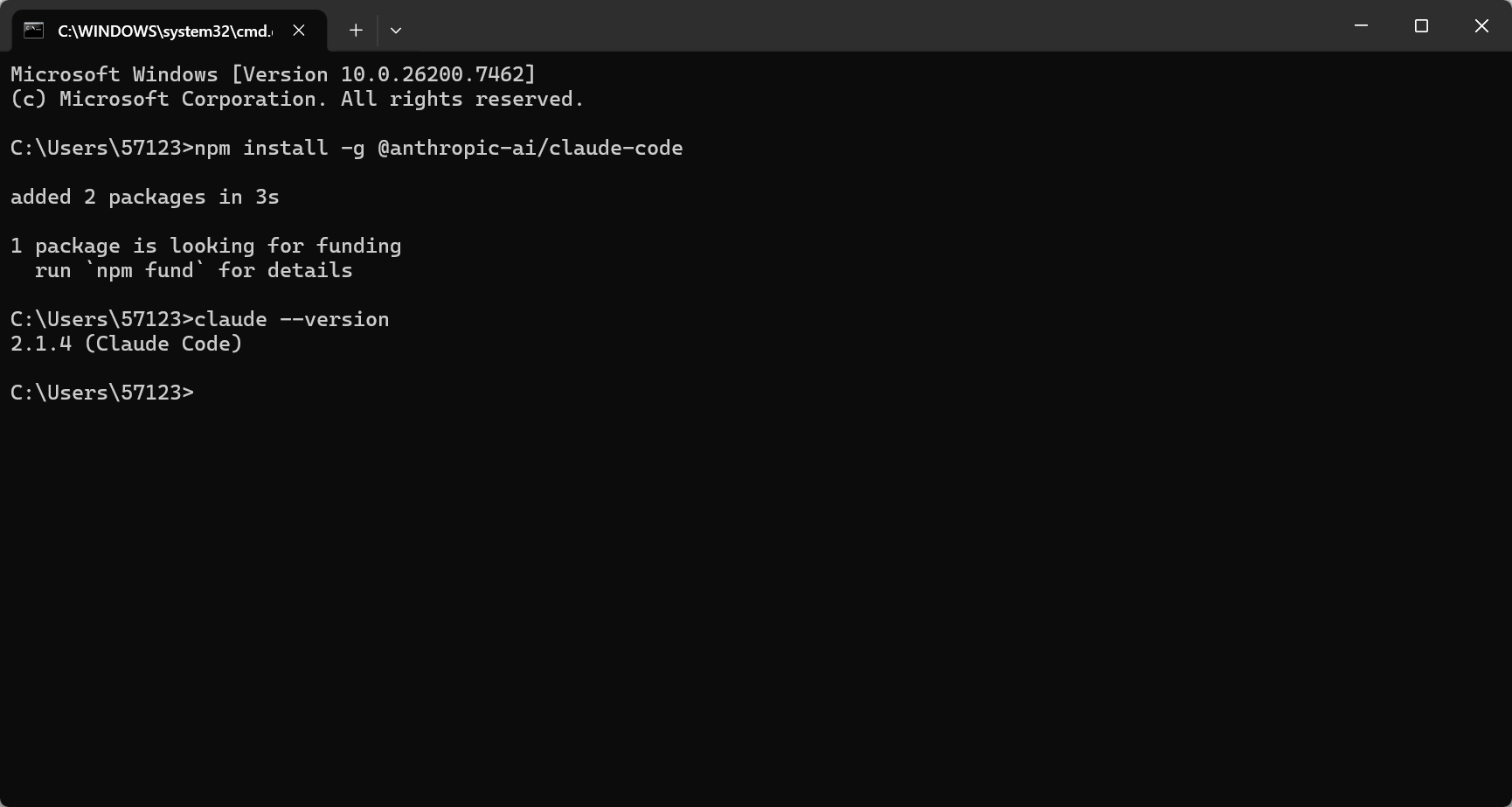
2. Verify Installation
1.x.x).
Step 2: Configure EvoLink API
Claude CLI is configured viasettings.json.
- Method 1: GUI Operation
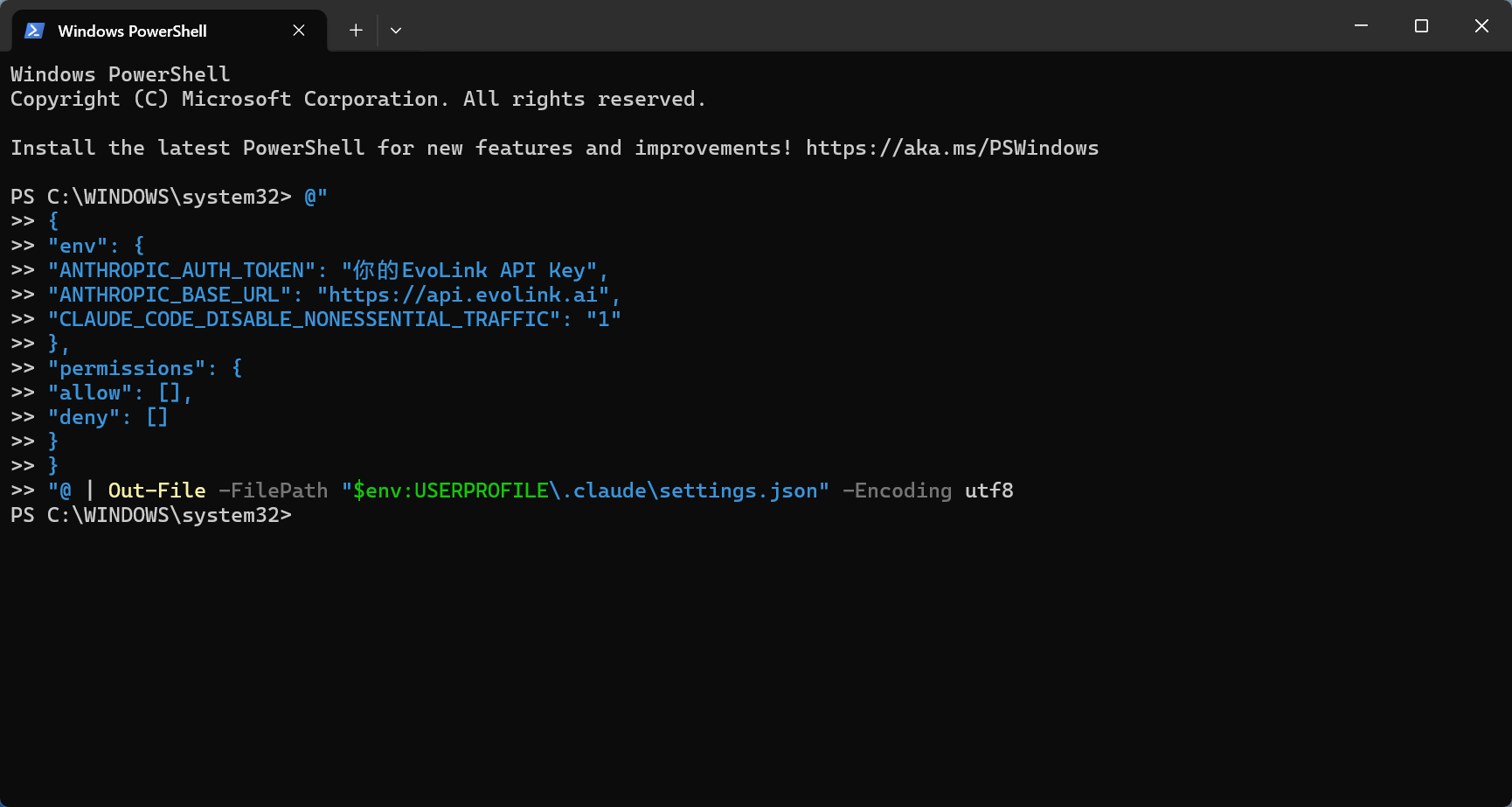
- Method 2: One-Command Creation
1. Open config directory
- Windows
- macOS
- Linux
Press If folder doesn’t exist: Manually create 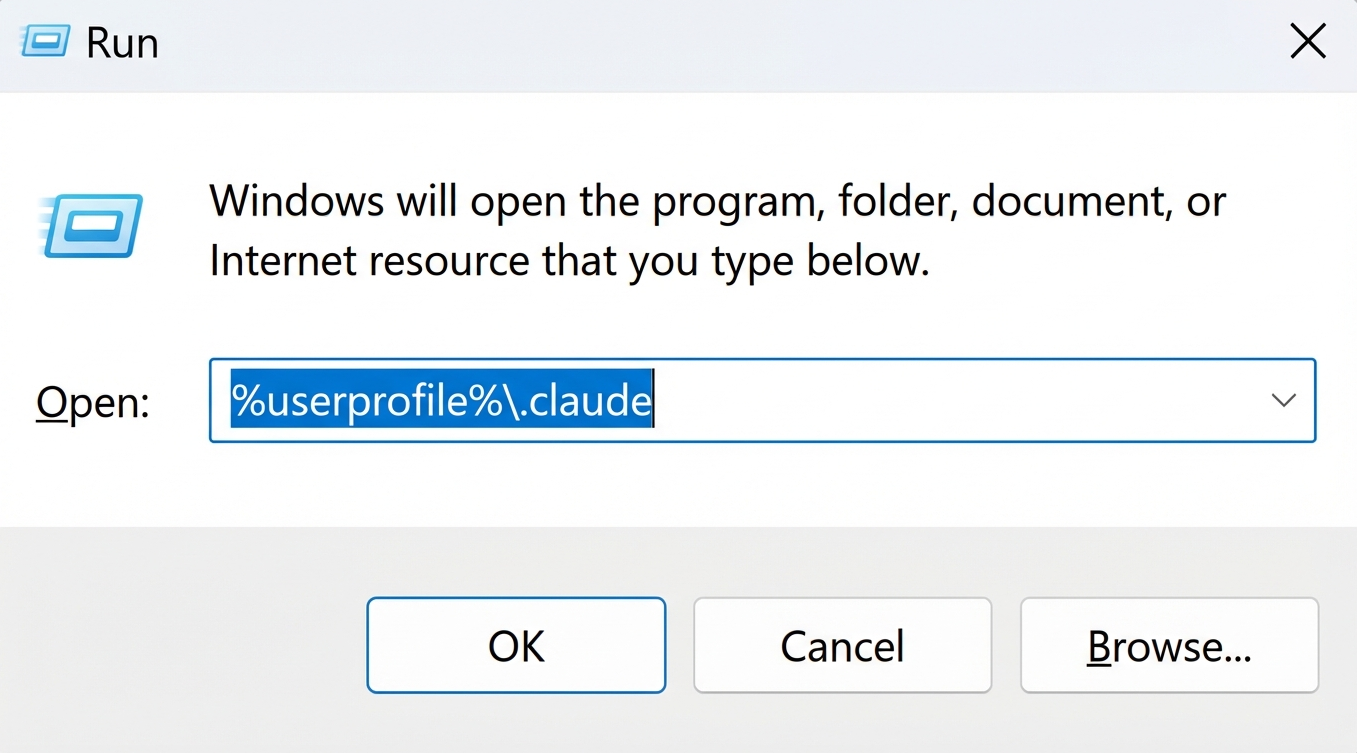
Win + R, paste the following, then press Enter:.claude folder (press Win + R, type %userprofile%, press Enter to open user directory, then create a new folder named .claude).2. Edit settings.json
In the opened folder, ifsettings.json doesn’t exist, right-click in empty space → New → Text Document → Rename to settings.json (remove .txt extension). Then double-click to open with an editor and add the following content:- Copy completely without missing any symbols
- Replace
"your-evolink-api-key"with actual API Key (keep quotes) - Don’t use Chinese input method for punctuation
-
ANTHROPIC_AUTH_TOKEN: Your EvoLink API Key -
ANTHROPIC_BASE_URL: EvoLink API endpoint -
CLAUDE_CODE_DISABLE_NONESSENTIAL_TRAFFIC: Reduce non-essential network requests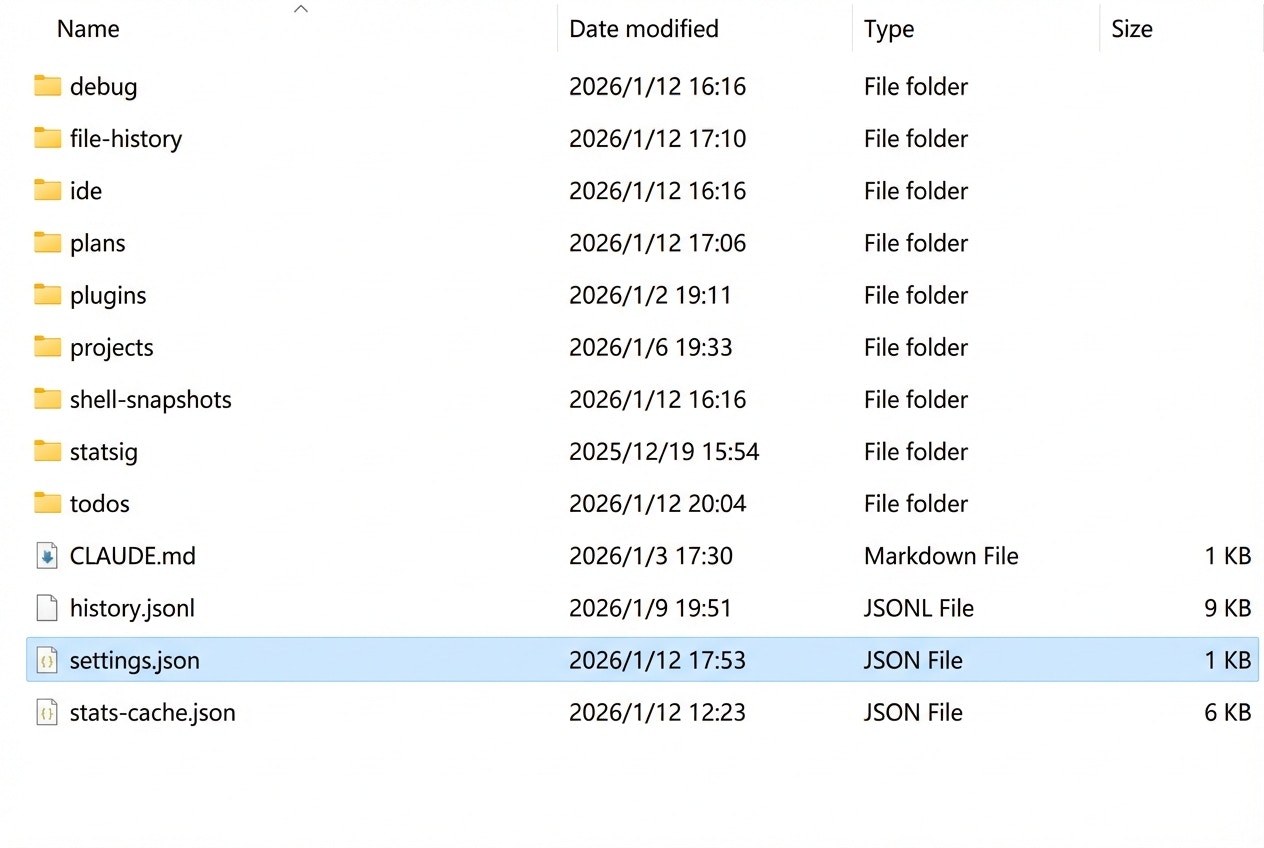
Step 3: Start Using Claude CLI
1. Enter a safe working directory
<your-working-directory> with actual path
2. Interactive mode
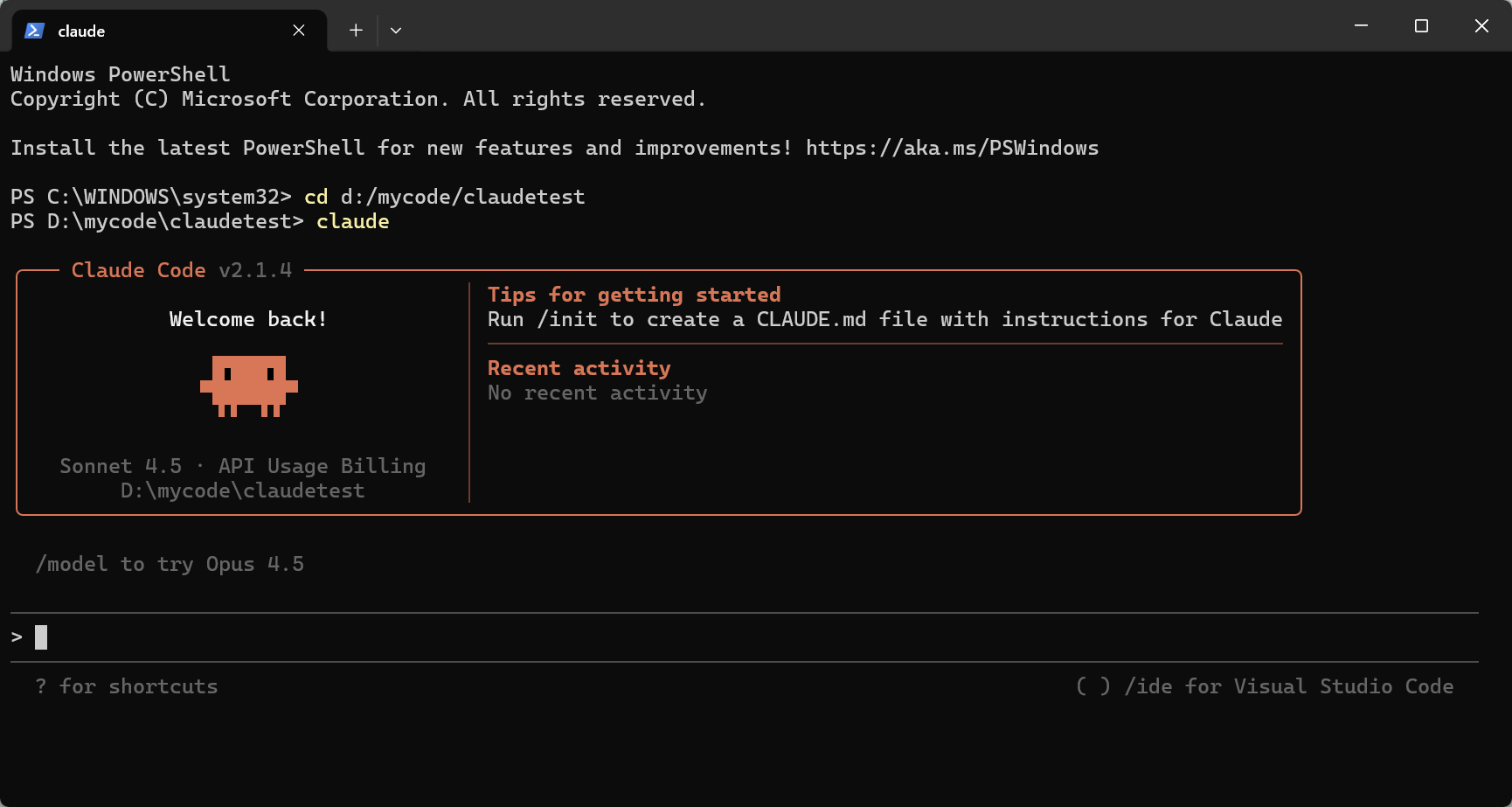
3. Verify configuration
- See AI response text (several lines)
- No errors like
401,403,API Key invalid
401 Unauthorized: API Key not set or invalid → Check settings.json403 Forbidden: Insufficient API Key permissions → Verify API KeyNetwork error: Network issue → Check connection
FAQ
1. What is Claude CLI and what is it used for?
Claude CLI is the official command-line tool from Anthropic that allows users to interact with Claude models in the terminal. It’s primarily used for code assistance, text generation, Q&A conversations, and file analysis—especially suited for developers who need quick AI capabilities in a command-line environment.2. How do I verify installation and configuration on first use?
Run these commands in sequence:node -vandnpm -v: Confirm Node.js and npm are installedclaude --version: Confirm Claude CLI is installedclaude "Who are you": Confirm API configuration is correct
3. What’s the difference between interactive mode and single command mode?
- Interactive mode: Run
claudeto enter continuous conversation for multi-turn interactions, ideal for complex tasks - Single command mode: Run
claude "question"to get a single response and exit, ideal for quick queries
4. Will Claude CLI automatically read or upload my local files and code?
No. Claude CLI only reads file content when you explicitly reference or authorize it, and will request confirmation before performing sensitive operations. It’s recommended to use it in a dedicated project folder.5. How do I use Claude CLI to analyze or process local file content?
In interactive mode, you can reference files by:- Typing the file path for Claude to read
- Dragging files into the terminal window
- Copy and pasting file content
6. Does Claude CLI support Chinese input and output?
Yes, fully supported. Claude CLI supports Chinese input and output—you can ask questions in Chinese and receive Chinese responses.7. No output after execution—what could be the cause?
Common causes include:- Network connection issues preventing API server access
- Invalid API Key or insufficient balance
- Incorrect
ANTHROPIC_BASE_URLconfiguration - Firewall or proxy blocking requests
8. Why don’t my config file or environment variable changes take effect?
- Restart your terminal or command line window
- Check that
settings.jsonhas valid JSON syntax - Verify the config file path:
- Windows:
C:\Users\{username}\.claude\settings.json - macOS / Linux:
~/.claude/settings.json
- Windows:
9. What causes 401/403 errors?
- 401 error:
ANTHROPIC_AUTH_TOKENnot set or invalid API Key - 403 error: Insufficient API Key permissions or expired key
- Verify
ANTHROPIC_BASE_URLis set tohttps://code.evolink.ai
10. What scenarios is Claude CLI suited for? What is it not suited for?
Suited for:- Code writing, debugging, and refactoring
- Quick Q&A in command-line environments
- File content analysis and processing
- Automation script integration
- Complex interactions requiring a graphical interface
- Real-time collaborative editing
- Large-scale batch file processing
11. How do I switch models?
Type/model in interactive mode to switch models.
12. What Claude models does EvoLink support?
EvoLink supports the following Claude models:| Model Name | Description |
|---|---|
claude-haiku-4-5-20251001 | Fast response |
claude-sonnet-4-5-20250929 | Balanced |
claude-sonnet-4-20250514 | Standard |
claude-opus-4-1-20250805 | Advanced |
claude-opus-4-5-20251101 | Latest |
13. How do I upload images?
- Option 1: Reference the image path
- Option 2: Drag and drop an image into the terminal
- Option 3: Paste an image directly